For decades, fruit-based food and snack manufacturers relied heavily on seasonal berries like raspberries, strawberries, and blueberries. But rising climate instability, yield fluctuations, and price volatility are forcing many to rethink their ingredient strategies. In this context, diversification into tropical freeze-dried fruits — such as mango, pineapple, banana, dragon fruit — is not just a trend, but a strategic pivot.
Richfield Food leads in this new direction by offering a full portfolio of freeze-dried fruits — both temperate and tropical — processed under the same high standards. This offers brands flexibility, resilience, and innovation potential.
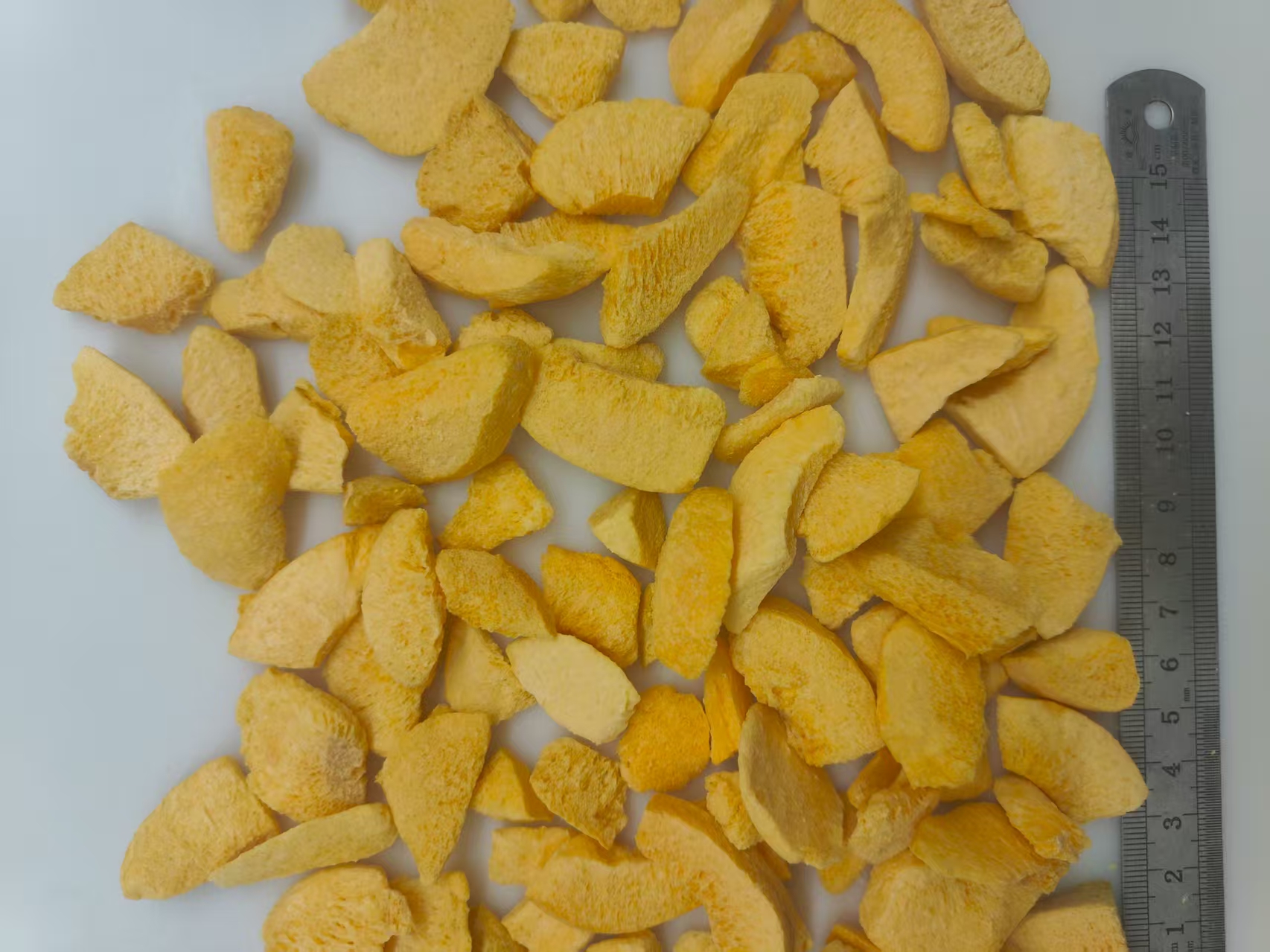
Market Signals Favoring Tropical + Berry Blends
Consumer demand for tropical fruits and exotic flavors has spiked globally, especially in North America, Europe, and Asia-Pacific — often linked to health trends, ‘better-for-you’ snacks, and premium flavor experiences.
According to market research, freeze-dried fruit products containing mango, pineapple, banana, and mixed fruit blends saw a ~30% regional growth in 2024, outpacing traditional berry-only freeze-dried fruit launches.
The overall freeze-dried fruit market continues to expand, with growing adoption in breakfast cereals, snack bars, bakery, ice cream, and plant-based foods — creating demand for varied fruit types.
Why Richfield’s Diversified FD Fruit Line Makes Business Sense
·Reduced Reliance on Single-Source Supply
By sourcing both from temperate berry zones and tropical fruit regions (Vietnam), Richfield minimizes risk. A frost hitting European raspberries won’t disrupt mango supply — and vice versa.
·Product Innovation & Differentiation
Combining freeze-dried raspberries with mango or pineapple opens new flavor profiles: e.g., “Raspberry-Mango Crunch,” “Tropical Berry Mix,” “Berry-Pineapple Snack Bar,” etc. This gives brands creative flexibility and helps differentiate products in crowded markets.
·Year-Round Supply & Inventory Flexibility
Tropical fruits harvested in Vietnam year-round enable continuous production and consistent supply — critical for global brands needing stable ingredient flow.
·Cost & Margin Optimization
During periods when berries become expensive due to shortage or price spikes, tropical freeze-dried fruit often remains more cost-effective. Mixing FRUITS helps maintain margin without compromising quality.
·Clean-Label & Health Credentials
Freeze-dried fruits retain most of their nutritional value while being preservative-free, additive-free and often organic-compliant — appealing to health-conscious consumers. Richfield’s certifications (BRC, GMP, organic) support this positioning.
Example Product Mix & Market Data (2024 Snapshot)
|
Fruit Type |
% of Freeze-Dried Output in Asia-Pacific* |
Common Applications |
| Raspberries/Berries | ~28% | Cereal, yogurt, snack bars, confectionery |
| Mango | ~22% | Snack chips, tropical mixes, ice cream |
| Pineapple | ~15% | Trail mixes, bakery toppings, drinks |
| Banana | ~10% | Smoothie powders, breakfast cereals |
| Mixed Fruit Blends | ~25% | Multifrutti snacks, granola, blends |
*Based on aggregate export and production data for 2024 from Asia-Pacific freeze-dried fruit producers.
For a brand or importer, this diversified mix reduces risk and increases flexibility: when one fruit category faces supply challenges, other fruits can compensate.
Strategic Takeaway for Food Brands & Retailers
By partnering with Richfield, brands can:
Maintain stable supply and avoid disruption;
Post time: Dec-19-2025